

The Last Human Eye on Your Production Line
Key Takeaways
No matter how good your team is, manual inspection on a fast-moving line will always miss something. That's just physics.
So what does AI vision actually change?
- Every unit gets checked: not a sample, not a spot check, every single one at full line speed
- The audit trail builds itself: every fault and batch logged automatically, so when something goes wrong, you're not scrambling
- Your team gets their time back: less repetitive checking, more of the skilled work that actually needs a human
And the one thing worth being honest about?
It only works if it's connected. A camera that flags a defect but doesn't talk to the rest of your line is only solving half the problem.
The bottom line?
The question isn't whether it belongs on your line. It's how quickly you can make it part of how you work.
Full Analysis
There’s a moment every quality manager knows well. The line is running fast, the shift is long, and somewhere in the blur of labels, lids and packaging, something slips through. Not because your team isn’t paying attention. But because there is no automated visual inspection system that can catch everything, every time, at speed.
That’s not a criticism. It’s physics.
Hourly inspections don't really do the trick also.
And it’s why AI-powered vision systems are quietly becoming one of the most important changes happening on Food & Beverage production floors right now.
What AI vision actually does
At its core, machine vision uses cameras and software to inspect products automatically. It’s checking for defects, verifying labels, confirming fill levels, detecting foreign objects at a pace and consistency no manual process can match.
What’s changed recently is how smart these systems have become. Today’s AI-enhanced cameras can be trained to recognize specific products. Not just “is this the right shape?” but “is this chicken and not beef?”. This distinction matters enormously in food safety and allergen management.
For a quality manager, that’s a significant shift. It means moving from sampling-based inspection to full coverage. Every unit. Every shift. Without fatigue.
The practical benefit most people overlook
The obvious win is catching defects faster. But the less-discussed benefit is what vision does to your data.
Every inspection generates a record. Every fault detected, every batch passed, and every anomaly flagged are logged automatically, in real time. That data feeds directly into your quality data, giving you a live picture of line performance rather than a report you compile at the end of the week.
When something goes wrong, and in Food & Beverage always eventually goes wrong, that audit trail is invaluable. Traceability becomes faster. Root cause analysis becomes cleaner. And if a recall is ever needed, you’re not scrambling to reconstruct what happened.
What it means for your team
A common concern is that automation replaces people. In practice, most quality managers find the opposite.
When vison handles the repetitive visual checks, your team is freed up for the work that genuinely needs human judgment: investigating anomalies, refining processes, managing supplier quality, responding to exceptions. The skilled work, not the exhausting work.
It also reduces the pressure that comes with high-volume lines. Your team isn’t the last line of defense against every single defect. The system is. They’re there to oversee, interpret, and improve.
The integration question
The one thing worth being realistic about: vision systems work best when they’re connected. A camera that flags a defect but doesn’t communicate with your line control or ERP is only solving half the problem.
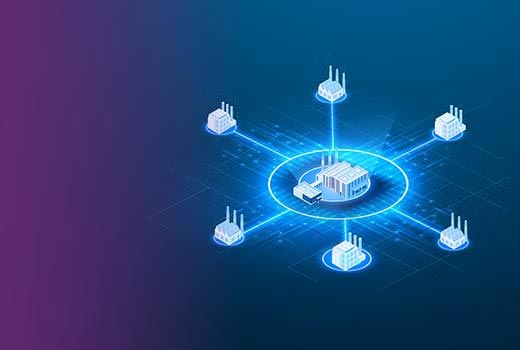
The most effective setups are those where the vision system is part of a broader connected infrastructure. It is where inspection data flows into production records, where alerts trigger line stops automatically, and where quality data is visible across the operation, not siloed on a single screen in the QC lab.
That integration piece is where many manufacturers are still playing catch-up. But it’s also where the real value is.
The bottom line
AI vision isn’t about replacing your quality team’s expertise. It’s about giving them better tools. Tools that don’t tire, don’t get distracted, and don’t miss the item at position 4,000 on a 10,000-unit run.
The question isn’t really whether AI inspection belongs on your production line. It’s how quickly you can make it part of how you work.